Health ID2 for Discovery's Digital Health Platform
YEAR
2019-2020
ROLE
Design Lead
Company
Discovery Health
Overview
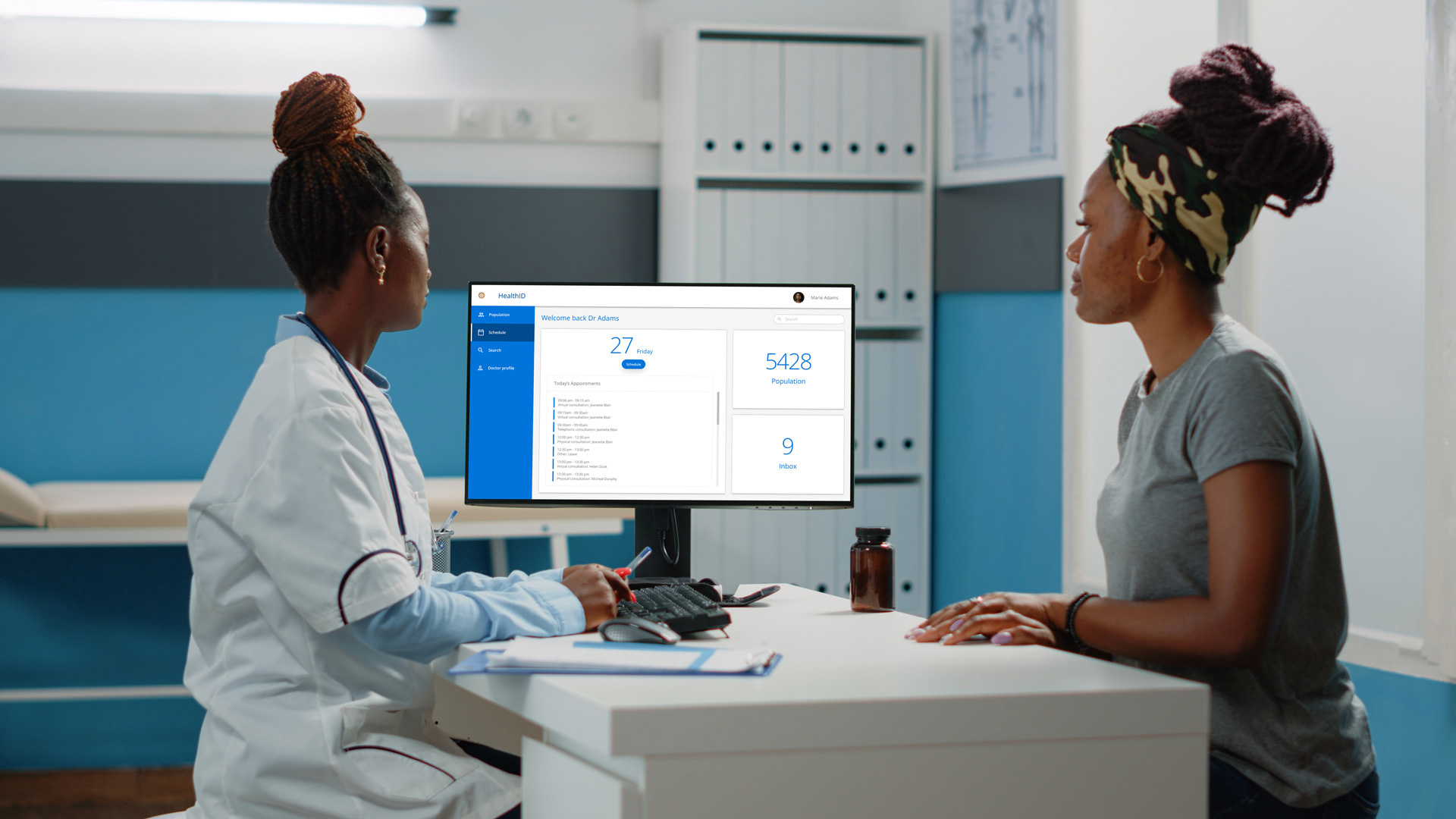
As Design Lead for HealthID 2.0 by Discovery Health, I had a hand in revolutionizing digital healthcare technology. Our mission was to transform the patient-caregiver relationship and build an all-encompassing platform that integrates medical histories, clinical test results, e-scripting, patient referrals, Chronic Illness Benefit applications, and more. Notably, when the COVID-19 pandemic struck in 2020, HealthID 2.0 seamlessly adapted to the times, offering crucial telemedicine features, and enabling patients and healthcare professionals to stay connected despite global health challenges. HealthID 2.0 is not just a tool for convenience, it's a strategic instrument designed to enhance clinical outcomes and streamline practice efficiency. This case study invites you into our design journey behind the groundbreaking platform.
Services
• Design leadership and strategy
• Project management
• Team management and training
• Workshop facilitation
• User research and interviews
• Product usability testing
• Stakeholder collaboration and communication
• UX/UI design
Deliverables
• Discovery workshops documentation
• User stories and user journeys
• Wire-frames
• Interactive prototypes
• Design review & usability testing reports
• Finalised UI designs for various digital products & feature sets on the platform
Client
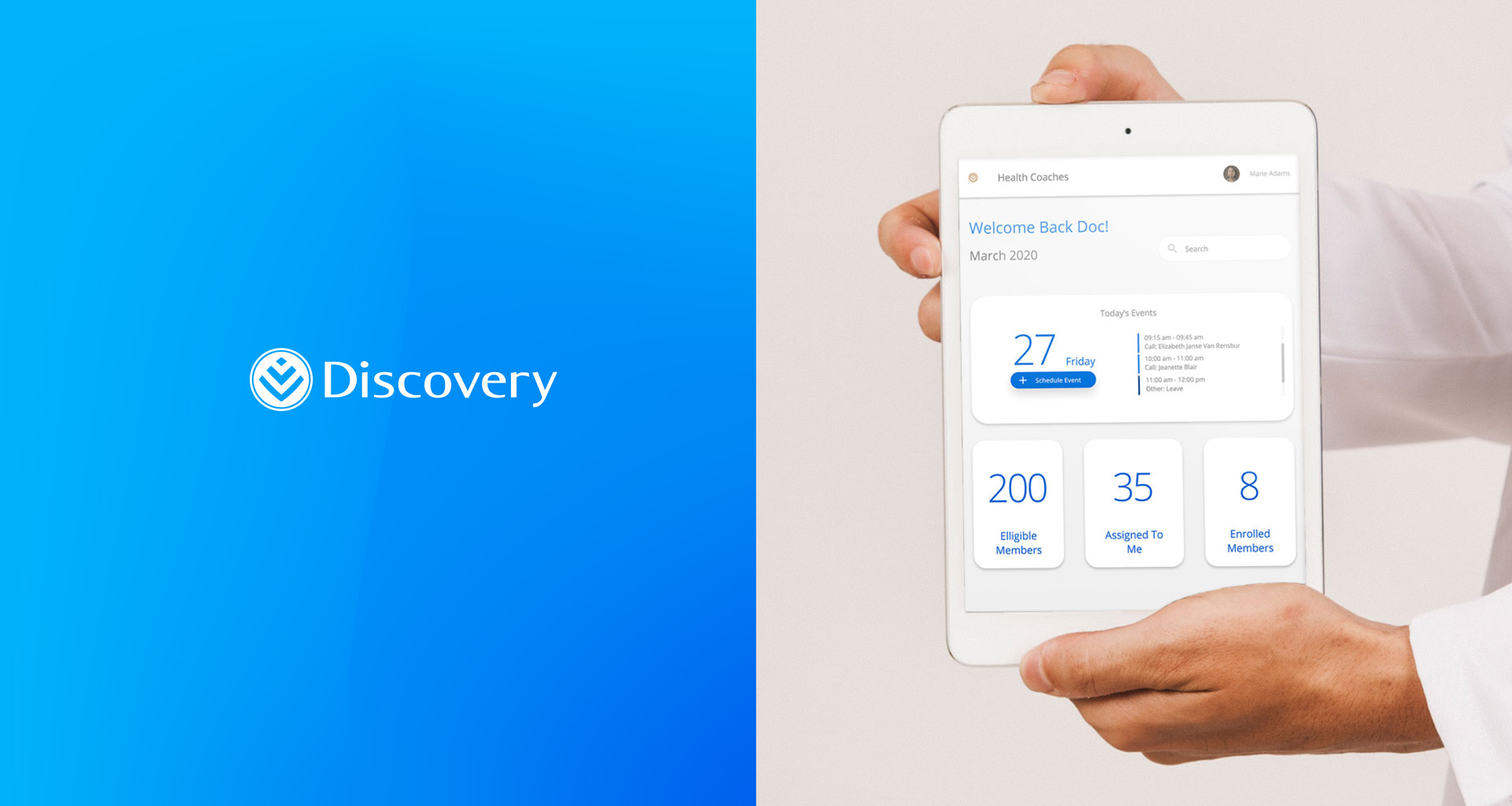
Discovery Health, a global leader in the healthcare sector, has continually shown its commitment to enhancing and personalizing healthcare services for its substantial membership base. As an agile entity in the dynamic landscape of healthcare, they recognized the pressing need to adapt, innovate, and harness the power of technology. This drive for innovation culminated in a complete reimagining of their digital healthcare platform - a bold leap into the future, known as HealthID 2.0.
The organization was faced with several pressing needs that the platform aimed to address. They envisioned a comprehensive digital healthcare platform that could enable seamless communication between healthcare professionals and patients, overcoming geographical boundaries. This platform needed to provide a complete view of patients' health histories and clinical test results, allowing for more personalized and effective healthcare provision. Additionally, Discovery Health aspired to simplify complex procedures like e-scripting, patient referrals, and Chronic Illness Benefit applications, thereby enhancing practice efficiency and user convenience. A critical component of this vision was the integration of a telemedicine feature, which became particularly vital in the wake of the Covid-19 pandemic. This functionality, coupled with a robust booking system, was intended to offer patients the flexibility of face-to-face or virtual consultations. The overarching goal? A digital tool that would redefine the healthcare journey, alleviate administrative burdens, and ultimately elevate clinical outcomes.
Product
HealthID 2.0 was designed to support healthcare practitioners and practice managers, empowering them with a comprehensive set of tools to streamline healthcare operations. The platform offered efficient booking management, simplified consent handling, and intuitive patient dashboards. By digitizing complex procedures such as e-scripting, patient referrals, and Chronic Illness Benefit applications, it reduced administrative burdens and enhanced practice efficiency. With a seamless user experience, practitioners could access vital patient information, schedule appointments, and manage administrative tasks effortlessly.
The focus of HealthID 2.0 was to enable personalized patient care. It provided healthcare practitioners with a holistic view of their patients' electronic health records, clinical test results, and demographic information. Through the platform, practitioners could deliver tailored care by leveraging insights from digitized records. The integrated booking system offered flexibility, allowing patients to choose between in-person or virtual consultations. By digitizing and simplifying healthcare processes, HealthID 2.0 facilitated personalized care delivery, allowing practitioners to prioritize patient needs and elevate the overall healthcare experience.
HealthID 2.0 aimed to redefine the healthcare journey by optimizing practice operations and improving clinical outcomes. The platform offered powerful features such as provider search, doctor profiles, and prepaid health validation. These features streamlined healthcare management, allowing practitioners and practice managers to efficiently navigate their daily tasks. By reducing administrative complexities, HealthID 2.0 enabled practitioners to focus on delivering high-quality care. With its user-friendly interface and intuitive functionality, the platform revolutionized the way healthcare is delivered, enhancing the overall healthcare experience for practitioners, practice managers, and patients alike.
Users
The primary users of HealthID 2.0 are healthcare practitioners and their practice managers. Our design process was centered around understanding their unique needs and challenges in order to create a platform that would enhance their workflow and improve patient care.
Through extensive research and user interviews, we gained valuable insights into the pain points faced by healthcare practitioners. Administrative tasks and time-consuming processes were identified as significant challenges, limiting the amount of time practitioners could dedicate to direct patient care. Our goal was to develop a solution that would alleviate these burdens, streamline workflows, and enable practitioners to focus on what matters most – delivering exceptional healthcare to their patients.
By empathizing with the experiences of healthcare practitioners and practice managers, we designed HealthID 2.0 to provide a user-friendly interface, intuitive functionalities, and efficient features. The platform aimed to address their pain points, simplify administrative tasks, and empower practitioners to provide personalized and effective care.
Research & insights
During the early stages of the HealthID 2.0 project, extensive market and user research played a crucial role in shaping our design choices and driving the development of the final product. Our research revealed a pressing need for healthcare professionals to have more efficient ways of managing patient data, while patients expressed a desire for a streamlined and intuitive healthcare experience. These insights guided our design process and enabled us to create a product that met the needs of both groups.
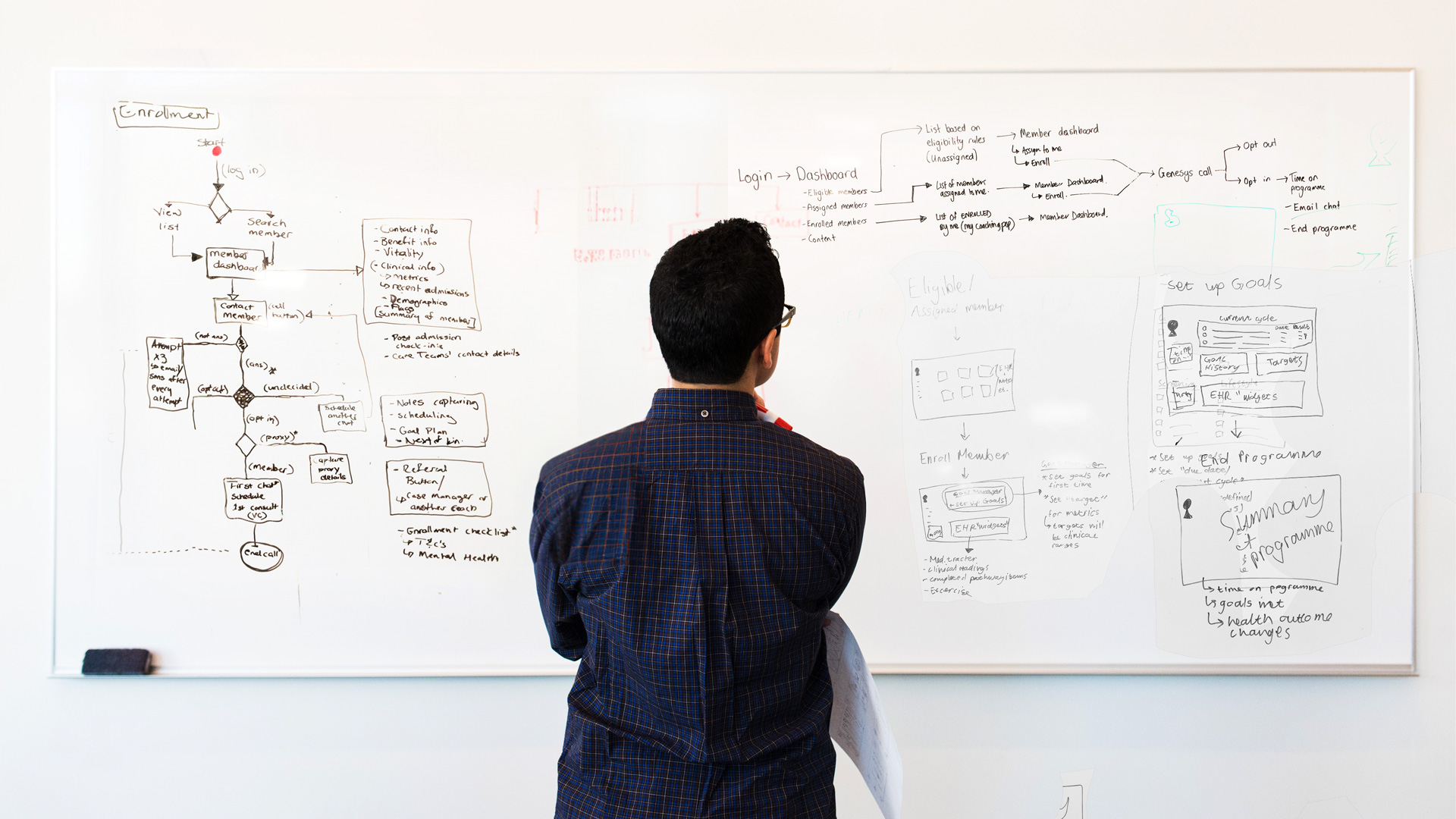
To gain a comprehensive understanding of the requirements and align stakeholders' expectations, we conducted intensive workshops with different stakeholder teams, including Diabetes, Oncology, and Cardiac departments. These workshops proved invaluable as they brought together stakeholders who had not previously sat together to discuss and align their requirements for a unified product. While these sessions were at times unstructured and challenging, they provided a valuable opportunity to map out the scope and requirements of the product.
Notably, it is important to acknowledge the design maturity of the client. At the start of the project, there was no established UX research practice in place. Instead, key insights were handed to us from the healthcare department. However, we advocated for the inclusion of direct user engagement and conducted interviews with doctors, medical consultants, and specialists from various fields within the Discovery network. Despite the tight time budget, we ensured that these healthcare professionals were an integral part of our design process, seeking their feedback and insights to inform our decision-making and ultimately enhance the product's design.
In summary, our research and engagement with healthcare professionals provided us with valuable insights into the needs and challenges of the users. This information was instrumental in shaping our design process, ensuring that HealthID 2.0 met the requirements of healthcare practitioners and delivered an exceptional user experience.

My role
As the Design Lead for the HealthID 2.0 project, I played a pivotal role in shaping the product and overseeing the design efforts. Reporting directly to the Product Owner, I was responsible for driving the design strategy, managing the design team, and ensuring the successful delivery of key features.
One of my primary responsibilities was to onboard and train junior designers, nurturing their skills and guiding them in their professional growth. I provided mentorship and support, fostering a collaborative and innovative design environment. Through effective team management, I facilitated productive sprint deliveries, ensuring that design objectives were met within project timelines.
As the Design Lead, I actively participated in cross-functional collaboration with stakeholders, including product owners, developers, and healthcare practitioners. By aligning design activities with the project vision and business goals, I played a critical role in ensuring a seamless integration of design principles and user-centered solutions.
Throughout the project, I utilized my expertise in user experience design to drive the development of intuitive and impactful features. From conducting user research and defining user flows to creating wireframes and interactive prototypes, I led the design process from concept to implementation. I leveraged user feedback and iterative design methodologies to continuously improve the product and enhance the overall user experience.
In summary, as the Design Lead for HealthID 2.0, I provided strategic direction, guided the design team, and delivered high-quality design solutions that aligned with the project goals and met the needs of healthcare practitioners and their practice managers.
MVP Feature Set
Patient Population Management:
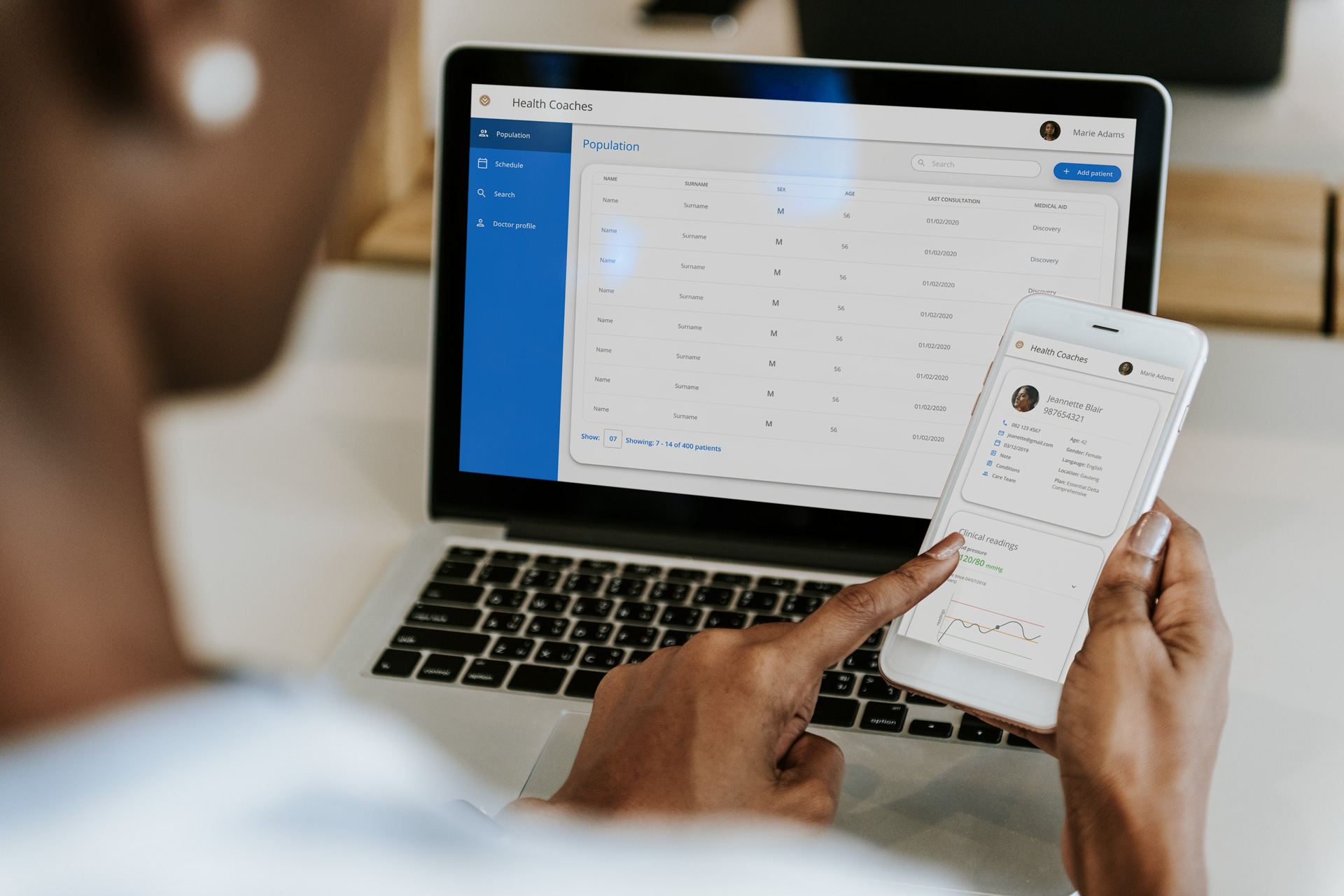
Empowered Practice managers and healthcare practitioners with the ability to oversee and manage the patient population, optimising various population management tasks.
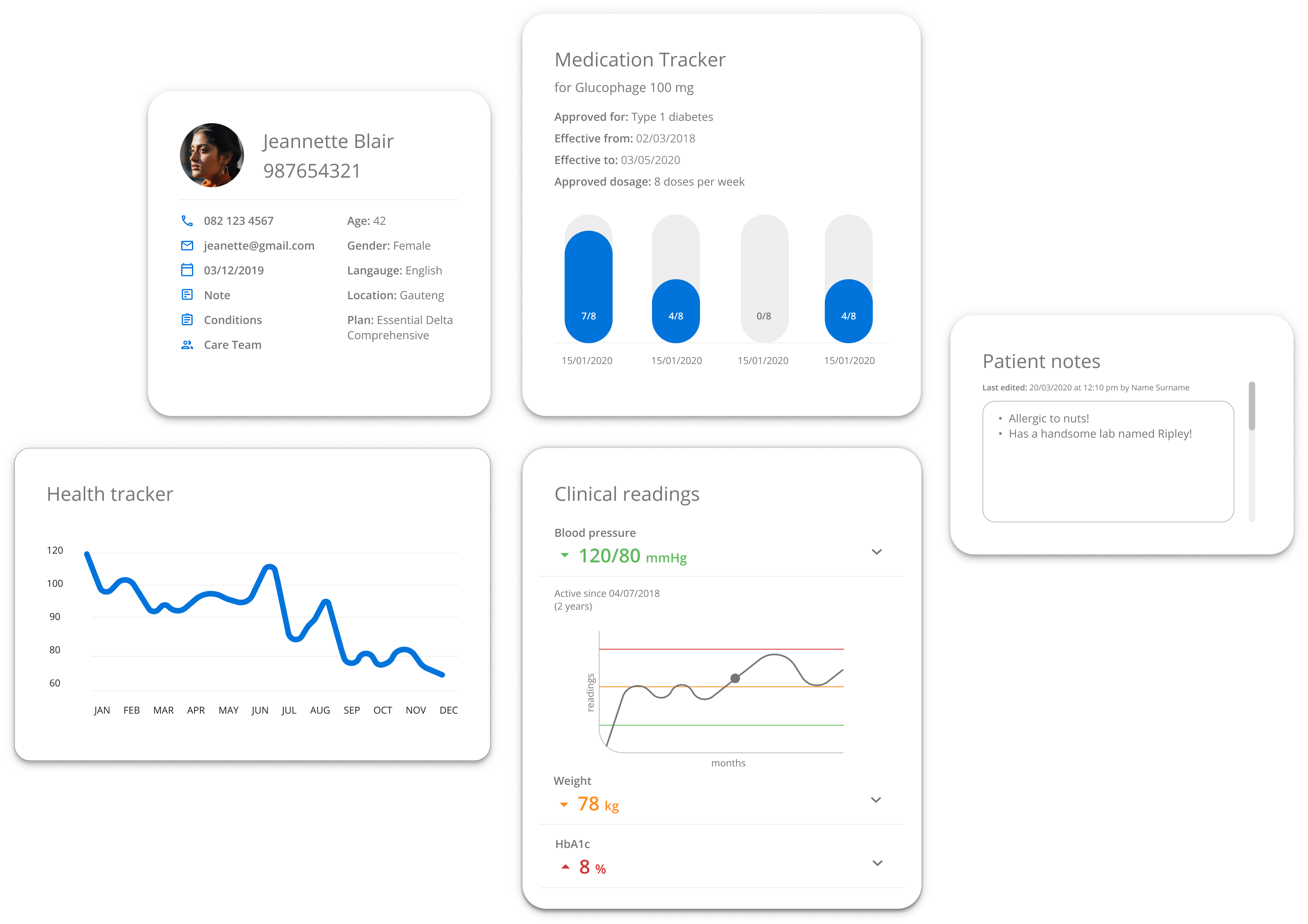
Patient Dashboard
Granted PMs access to critical patient information and medical histories, offering key insights necessary for personalized care and informed decision-making.
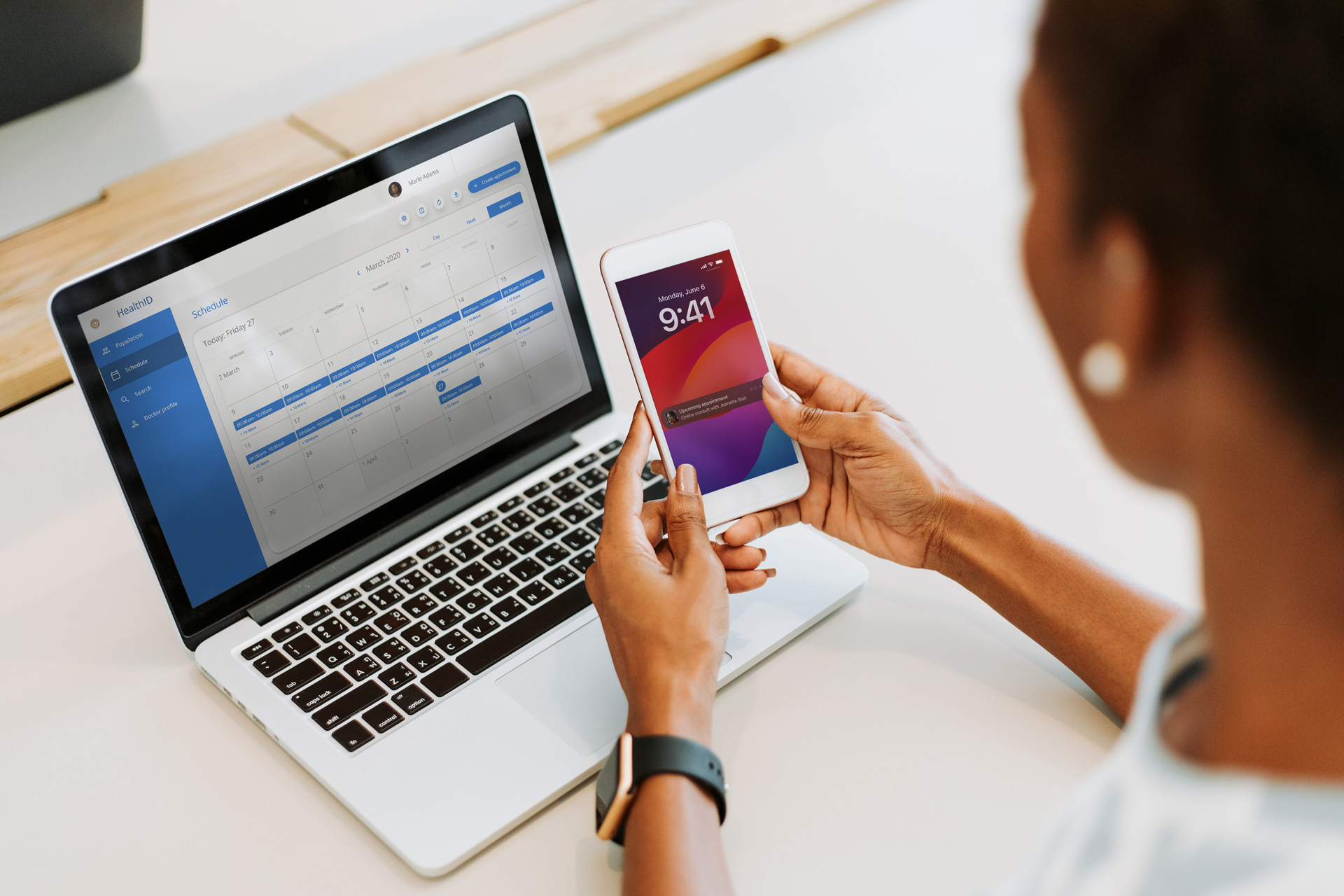
Bookings and Schedule Management
Allow health coaches to schedule appointments and view their schedules to help them plan and manage their workflow effectively.
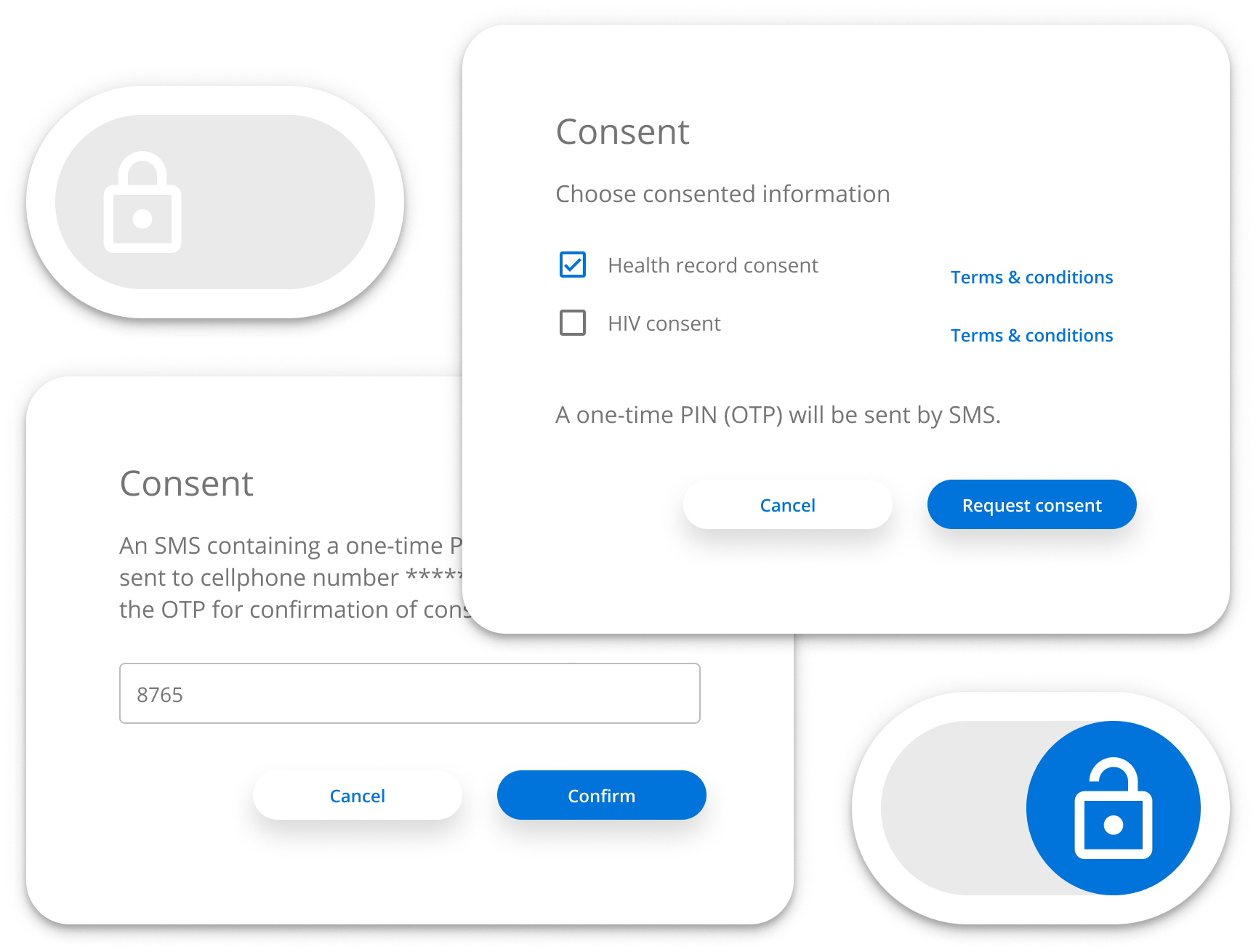
Consent Management
Facilitate various communication channels (voice, asynchronous chat, and video) between members, coaches, and doctors, initiated by either the coach or the member.
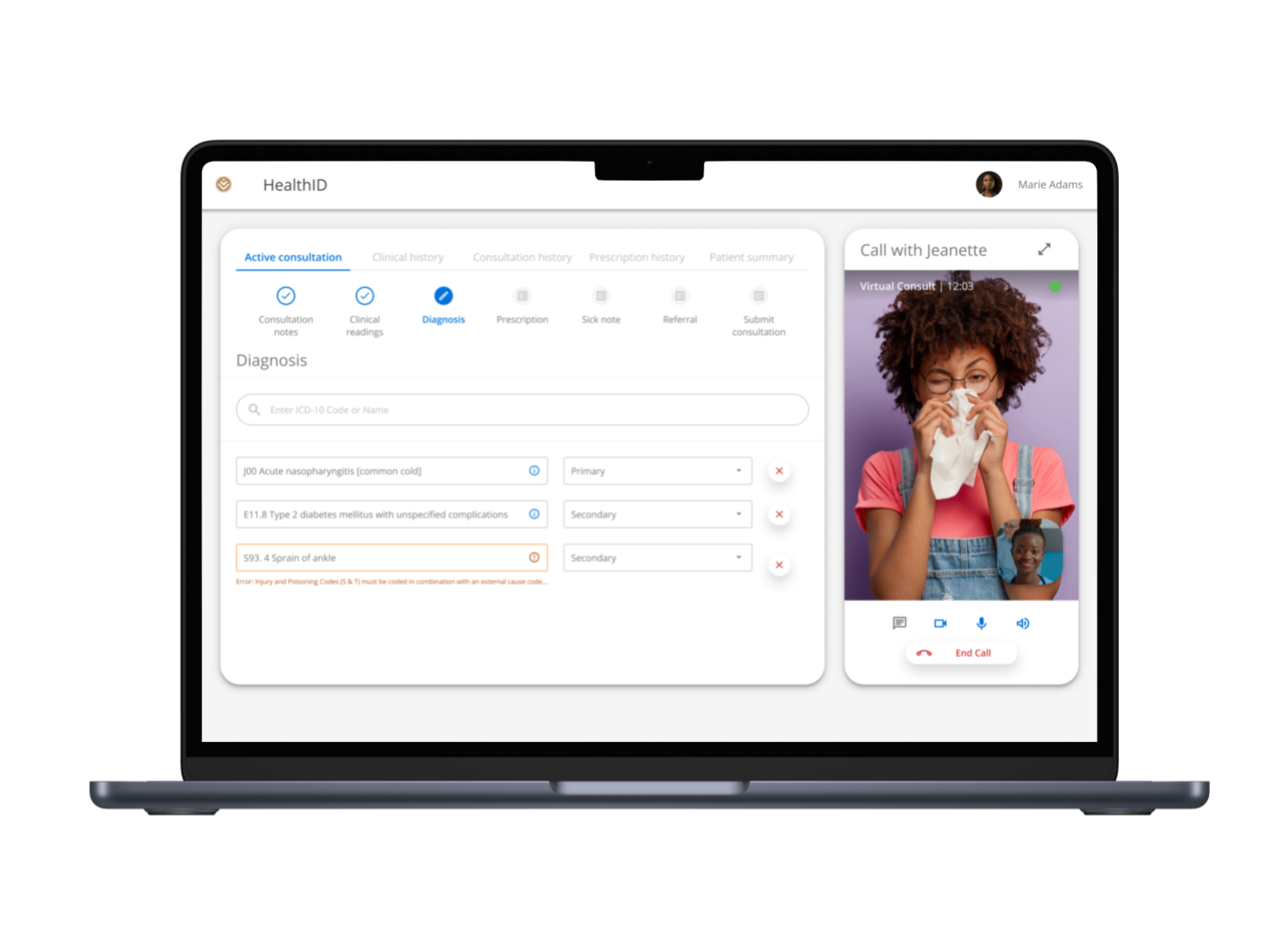
Consultation Tool
Access to Health History and Compliance: Provide coaches with access to the member's pertinent health history and their compliance with set pathways per condition when communicating with the member or their doctor.

Iterative design process
We adopted a robust, two-week sprint design process for the HealthID2 project, merging comprehensive techniques with collaborative feedback. In week one, our focus was on refining design concepts with our internal team and healthcare consultants, tailoring solutions to meet user expectations and align with the healthcare context. Week two involved collaborating with our development team for technical reviews and task allocation, followed by a final review with business and product stakeholders to ensure strategic alignment. Through regular meetings, design reviews, and retrospectives, we ensured consistent team updates, feedback incorporation, and process improvement. This in-depth and collaborative approach was instrumental in delivering a user-centric product, catering to both health coaches and patients.
Lessons & reflections
Key Learnings and Insights
Reflecting on the journey of designing and developing HealthID 2.0, a few critical learnings and insights stand out:
- User-Centric Design is Paramount: The experience underscored the absolute necessity of a user-centric design approach, especially in the healthcare sector. It was crucial to understand the unique needs and challenges of our primary user groups - healthcare practitioners and practice managers. Developing features that address their pain points and that are intuitive and easy to use proved to be the key to delivering a product that truly provides value. Every design decision hinged on how it impacts these users, further emphasizing the need for empathy and understanding in design.
- Collaboration Bridges the Gap: Working with different stakeholders at various stages of the design and development process was integral to the project's success. Regular feedback sessions with the design team, healthcare practitioners, development team, and business stakeholders helped refine the product to better meet the needs of the end users. Additionally, these collaborations ensured alignment with the overarching business objectives. The rich insights garnered through this collaborative process resulted in a product that was not only user-centric but also strategically aligned.
- Agile Development Enhances Flexibility: Adopting a two-week sprint structure was instrumental in creating an environment of agility and efficiency. Regular stand-ups kept the team updated on progress, and review sessions at different stages allowed for continuous improvement and refinement of the design and development process. Retrospectives at the end of each sprint facilitated reflection on the process, identifying areas of improvement and strategies for optimization. This agile development methodology proved to be a robust system that maintained efficiency while accommodating the evolving needs of the project.
In the end, these insights and learnings have not only contributed to the successful development of HealthID 2.0, but they have also left an indelible imprint on our approach to future projects. They've reaffirmed the value of user-centric design, cross-functional collaboration, and agile methodologies in building successful digital solutions.
Conclusions
In the realm of healthcare, there's an escalating need for digital solutions that simplify, streamline, and enhance processes for all involved parties. HealthID 2.0, an advanced digital health management tool, has been designed and developed to serve this very need. Its suite of features, designed through an empathetic, user-centric approach and a collaborative, agile development process, brings tangible benefits to healthcare practitioners, practice managers, and patients alike.
The journey of developing HealthID 2.0 was filled with valuable lessons and insights. It reinforced the value of placing the user at the center of our design process, the power of collaboration among different stakeholders, and the efficiency of agile methodologies. These learnings not only contributed to the success of HealthID 2.0 but also will influence our approach to future projects.
As we look ahead, we are excited about the potential impact HealthID 2.0 can have on the healthcare landscape. We believe it will serve as an integral tool in promoting quality care, patient engagement, operational efficiency, and legal compliance, thereby elevating the healthcare experience for all users. It's not just a step towards a more digitized healthcare ecosystem, but a leap towards a future where healthcare is more accessible, efficient, and user-centric.